
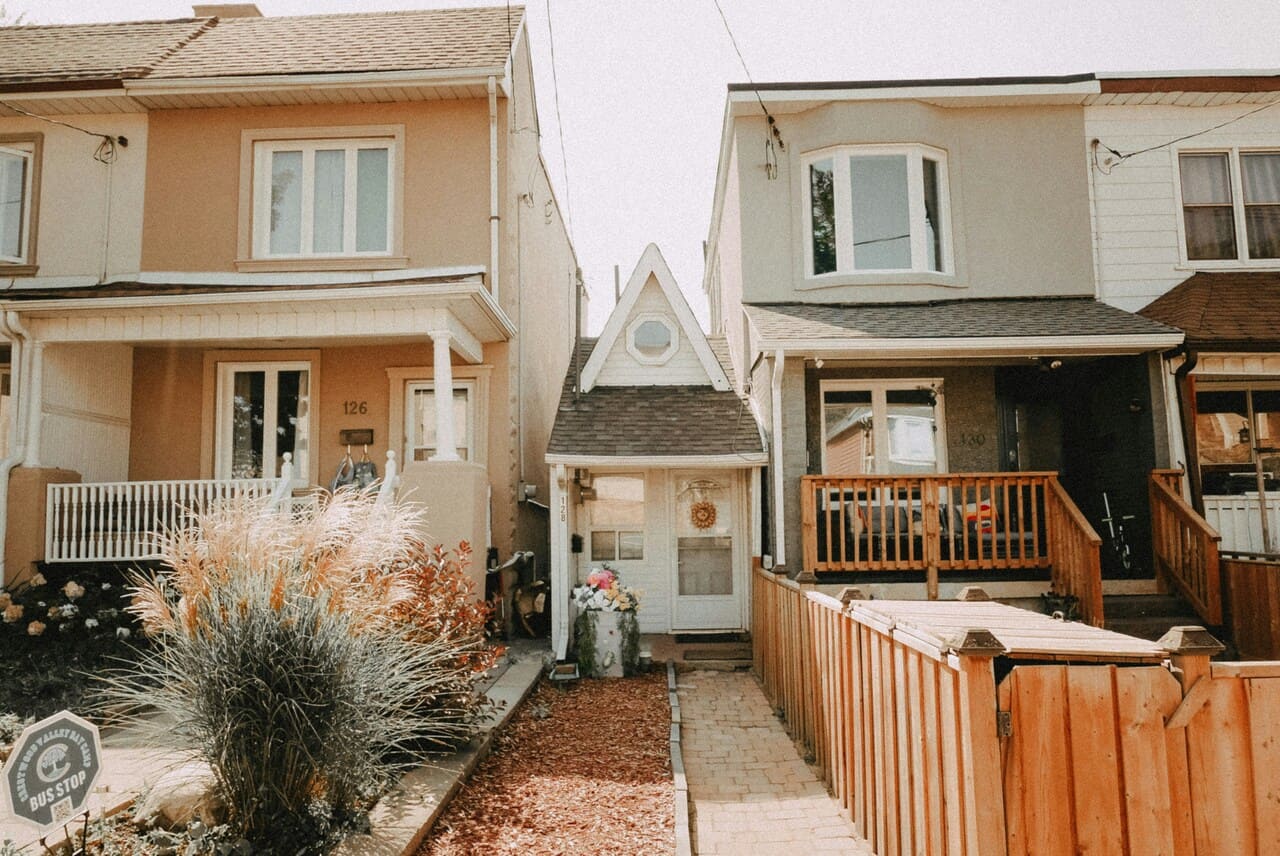
For years, housing affordability has been framed as a short-term market disruption driven by rates, inflation, or supply chain shocks. The data tells a different story. What we are experiencing today is not a cyclical blip, but a structural imbalance between what households can afford and what the market has been built to deliver.
Despite strong underlying demand, affordability continues to constrain growth. Household formation remains positive, but income growth has lagged home price appreciation and financing costs. First-time buyers are being pushed to the sidelines, and the composition of who can buy is shifting in ways that will have long-term implications for communities, product demand, and the culture of homeownership itself.
This is not a demand problem. It is a product-market fit problem.
The Affordable Housing Problem
We Built Bigger for Too Long
The average owner-occupied home in the U.S. is 43 years old, placing the median home’s construction around 1982. That period marked the peak of smaller home footprints, before decades of steady expansion in size, features, and complexity.
New homes grew larger and more amenity-rich well into the mid-2010s, culminating in what many now refer to as the McMansion era. That strategy made sense in a market where trade-up buyers dominated and affordability constraints were looser. But the buyer profile has changed, and the data shows the market is finally beginning to respond.

Since 2015, the share of new homes over 2,400 square feet has declined meaningfully, while the share of homes under that threshold has increased. Larger homes with four or more bedrooms, three or more bathrooms, and expansive square footage are losing share. Smaller homes are gaining it.
This is not a temporary correction. It is a normalization.

Buyers Are Already Voting With Their Wallets
One of the most overlooked signals in the attainable housing conversation comes from existing home purchases. While new construction data often dominates the discussion, what people actually buy when given choice and constraint matters more.
The typical existing home purchased today is approximately 1,900 square feet, built in the mid-1990s, with three bedrooms and two bathrooms. That configuration sits squarely on the smaller end of the new-build spectrum. Yet it continues to transact, even in a constrained affordability environment.
Only a small share of new homes sold today have two bathrooms or fewer. Existing home buyers, on the other hand, routinely purchase them. This gap is not theoretical. It is behavioral proof that buyers are willing to accept fewer features and smaller footprints when price, location, and livability align.
Survey data reinforces this reality. Over the past two decades, the square footage that buyers say they want has steadily declined. Preferences are moving closer to what the market already owns, not what it has been building.
Affordability Is Reshaping the Buyer Pool
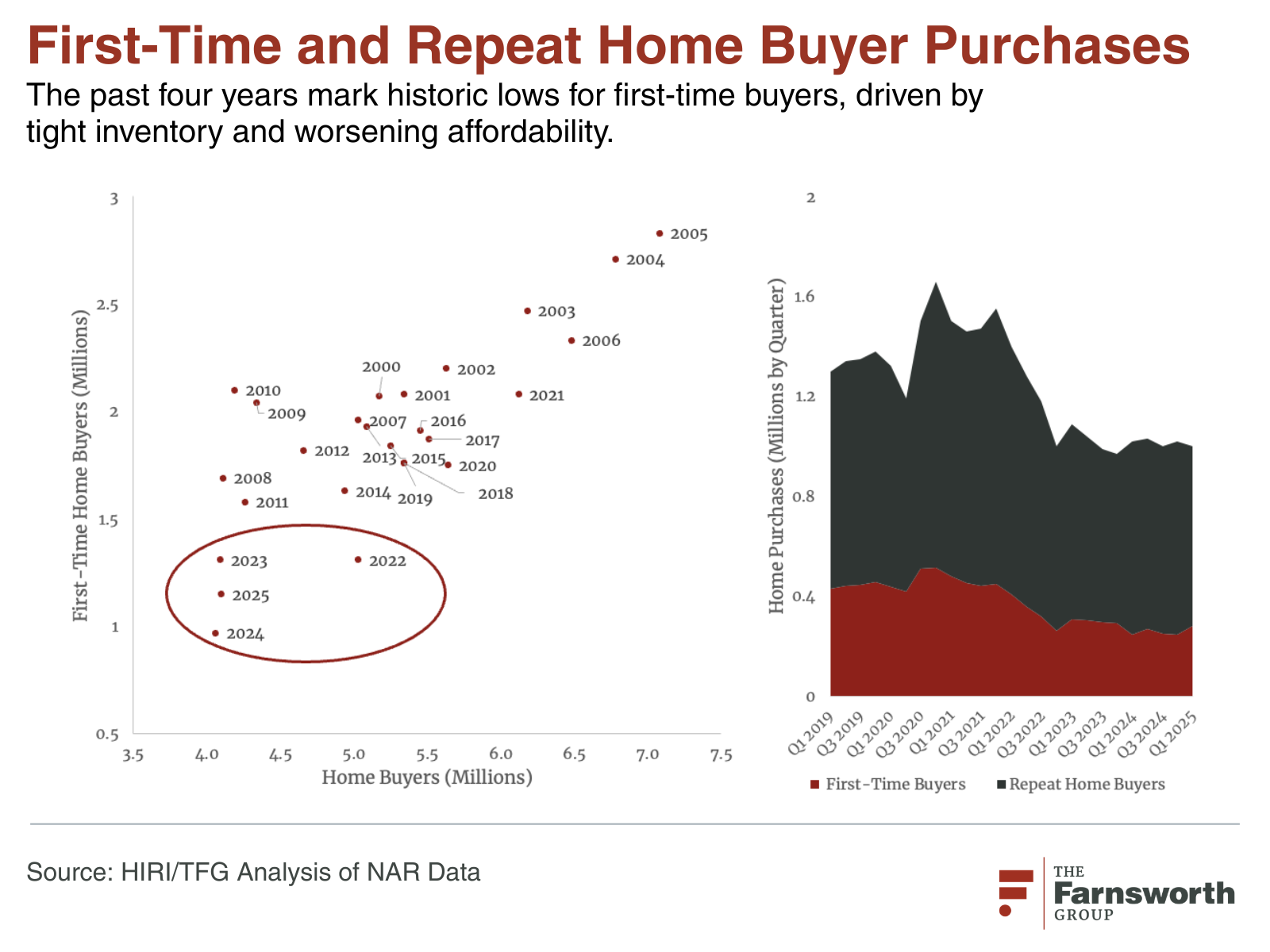
The consequences of prolonged unaffordability extend beyond unit sales. First-time buyer participation has reached historic lows. Higher-income households account for a growing share of home-related spending, particularly in remodeling. Mobility has slowed. Household formation is delayed.
These shifts alter demand patterns across the building products ecosystem. They change what gets specified, renovated, repaired, or deferred. They also affect long-term brand exposure among younger households who are forming opinions about housing without owning it.
In short, affordability pressure doesn’t just reduce volume. It reshapes the market.
Tradeoffs Are Inevitable, But They’re Not Singular
The path to attainable housing is often framed as a binary choice: cost versus quality, size versus aesthetics, sustainability versus affordability. The data suggests something more nuanced.
Buyers are willing to make tradeoffs, but not all at once and not blindly. Smaller homes may reduce material usage and long-term maintenance costs. Fewer features can simplify construction and ownership. Alternative materials and finishes can balance durability, performance, and price when applied thoughtfully.
The opportunity is not to strip homes down, but to design them more intentionally around how people actually live today.
The Industry Is Moving, But Not Fast Enough
There are encouraging signs. New homes are getting smaller. Feature counts are moderating. Builders are experimenting with more efficient footprints. But the pace of change still lags the scale of the affordability challenge.
Attainable housing will not be solved by a single product category, construction method, or policy lever. It requires alignment across design, materials, pricing strategies, and consumer expectations.
For manufacturers, builders, and partners across the industry, the question is no longer whether smaller, simpler homes are viable. The data confirms they are. The real question is how quickly the market can recalibrate to meet buyers where they already are.

Read more on this topic:
- Here’s Why Investing In Affordable Housing Is A Land Of Opportunity - Jennifer Castenson, Forbes
- Best Products of IBS/KBIS, AI Home Design, and Energy Code Moves - GreenBuilder
- In Orlando, all eyes on affordability - HBS Dealer

Written by Karen Barnes
Through her expertise in brand consulting, market research design, and advanced analytics, Karen has been helping answer critical business questions for the past 15 years. She has had the privilege of working with many of the top global insights organizations and applying best practices across a myriad of clients in CPG, technology, finance, healthcare, and of course home improvement, including developers, building products manufacturers, and retailers.
An Iowa native, Karen was upgrading from riding mowers to full combines at the annual John Deere employee fair by age 7. Now in Denver, she fills her off hours hiking the Rocky Mountains, uncovering the best local food & drink spots, and traveling as much of the world as humanly possible with her fiancé, Adam.