
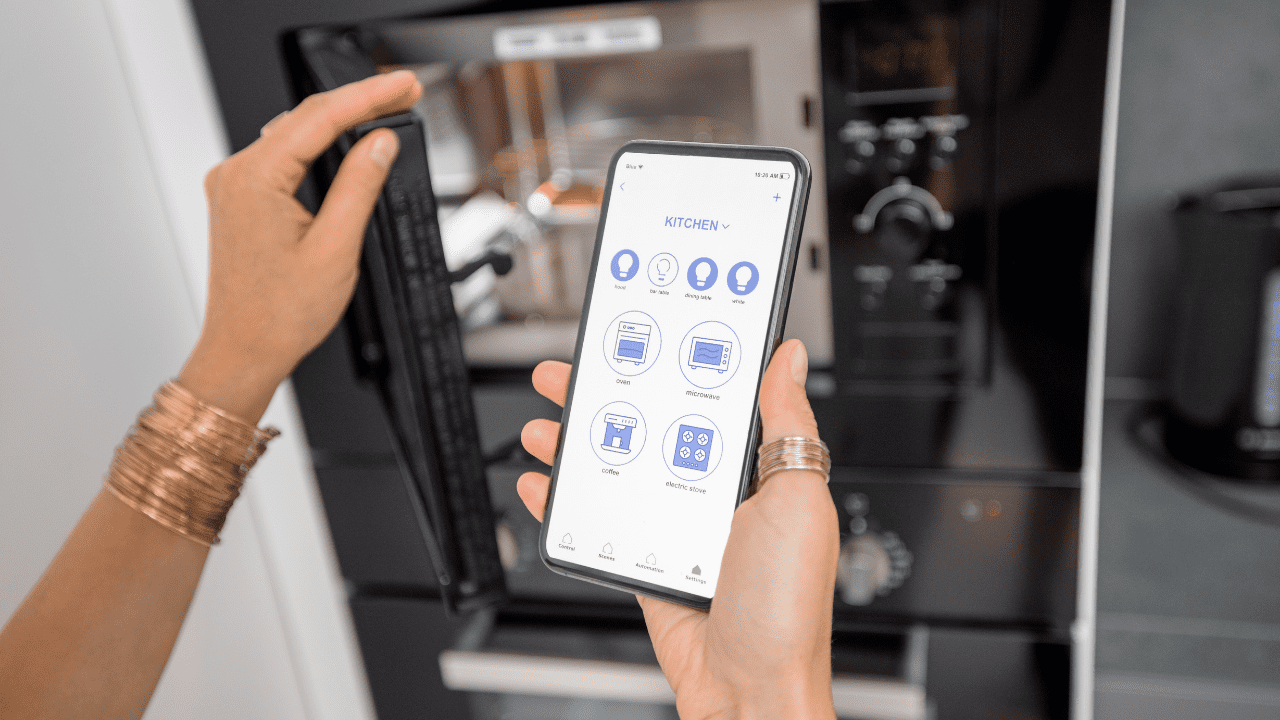
Home automation is no longer limited to the elite or high-end housing units, nor is it being adopted solely by customers with secondary residences or requiring homeowners to have a Ph.D. in engineering to operate these devices and gain their full range of benefits.
As homeowners look to improve energy efficiency and achieve a more comfortable and convenient lifestyle, numerous smart products are becoming common in homes across the United States—and event more families would like to see the integration of such systems and products.
With a new generation, primarily consisting of millennials and older Gen Z homeowners, gaining purchasing power within the housing industry, this trend is likely to stick around. Understanding how customers feel about home automation products, what they’re looking for and what motivates their purchases, can help manufacturing brands and suppliers stay competitive in this growing market.
What are Trends in the Smart Home Automation Market in 2026?
Demand for Smart Home Devices has been growing steadily for the past several years. Both as lifestyle devices within primary residences and as convenience and security measures for secondary residences, a range of smart home automation devices are desired by property owners.
.jpg)
Here are some of the trends likely to shape the smart home automation market in the coming years:
1. Prospective Home Buyers Seek Smart Features
In the residential sector, home automation installations have been increasing over the past couple of years. Not only are people eyeing home automation for upcoming remodeling projects, but they’re also weighing existing smart features as part of their home-buying process. Some of the most desired smart home products include:
· Automatic faucets
· Hands-free/smart toilets
· Wireless-connected appliances
· Smart thermostats
· Smart lighting
· Remote security system controls
· Heated driveways and walkways
· Smart home theater and audio systems
2. Automation is Tied to Health and Wellness
In terms of health and well-being, homeowners are showing an increased interest in smart devices that control their indoor environment, like smart thermostats with humidity sensors; smart air conditioners and air purifiers; smart water filtration systems; and smart lighting that aligns with circadian rhythms of the human body.
Based on research from The Farnsworth Group and Harvard Joint Center for Housing Studies, incorporated in our Healthy & Safe Home and Environmental & Energy Performance Attitudes report, about one-fourth of homeowners with health and safety concerns had installed smart or Wi-Fi-connected appliances in their house; the same percentage were planning to do so in the next year. Approximately one in four homeowners also were planning to install smart thermostats and smart lighting, as well as remote security system controls, in the future.

3. Customers Desire Household Connectivity
Beyond individual products and systems, homeowners are interested in the concept of integration as a whole. In other words, how well is their smart home tech incorporated into their home? Do all the individual pieces work well together? As more smart devices become capable of communicating with one another, this connectivity and integration—and the ability to seamlessly expand a smart home system—will remain a primary concern for consumers. As you're exploring the development and marketing of various smart products and features, it's important to think about how they fit into the big picture and how they can boost the overall connectivity of residential properties.
4. Ease of Use is Critical for Widespread Adoption
Along the same lines, the future of the smart home revolves around ease of use. This trend is a bit cyclical. As smart devices become easier to use, they become more accessible to and adopted by homeowners. As more homeowners demonstrate demand for automated systems and products, manufacturers should be motivated to continually improve ease of installation and use. Doing so will help homeowners feel more empowered and motivated to integrate these products into their residential properties and gain a tangible benefit from their smart features.
5. Utility and Insurance Companies are Key Partners
Additionally, utility and insurance companies have emerged as an effective building product channel stakeholder for increasing adoption of smart home devices and systems. Homeowners who learn about a product or system through these sources have a high probability of making their purchase directly from the manufacturer.
Ultimately, channel diversification can help manufacturers of smart home products and systems connect with a wide variety of individuals, systems integrators, and other stakeholders in order to innovate for the changing purchasing behaviors of the modern homeowner and renter.
Digitizing the Purchase Experience of Home Improvement Products
In the ever-evolving digital age, the channels of distribution for building materials and smart products are also shifting. Thanks to the Internet and wireless connectivity, homeowners and renters are increasingly capable of installing their own systems and products, which means they rely less on traditional services through a professional channel, such as a service provider or installer.
How Homeowners Use Online Channels for Research and Purchasing
The diversity of distribution channels includes wholesalers, big box stores, showrooms and online retailers. However, while manufacturers are seeing a demand to develop products that individuals can easily install on their own, home centers, wholesalers and online retailers also capture a specific segment of consumers by employing system integrators and other professionals who are knowledgeable about installation and can answer questions from homeowners.
With the rise in demand for DIY products, online retailers can stay competitive by providing ample information that empowers homeowners and renters in their decision-making process. Even if they opt to make their purchase in person at a big box store or home automation center, online research is a typical part of the consumer buying journey, for both DIY homeowners and industry professionals, according to findings in our Building Products Customer Guide. Homeowners utilize digital platforms to obtain pricing information, availability, product information, and reviews.
Demographical Differences on Online Research and Shopping for Home Improvement Products
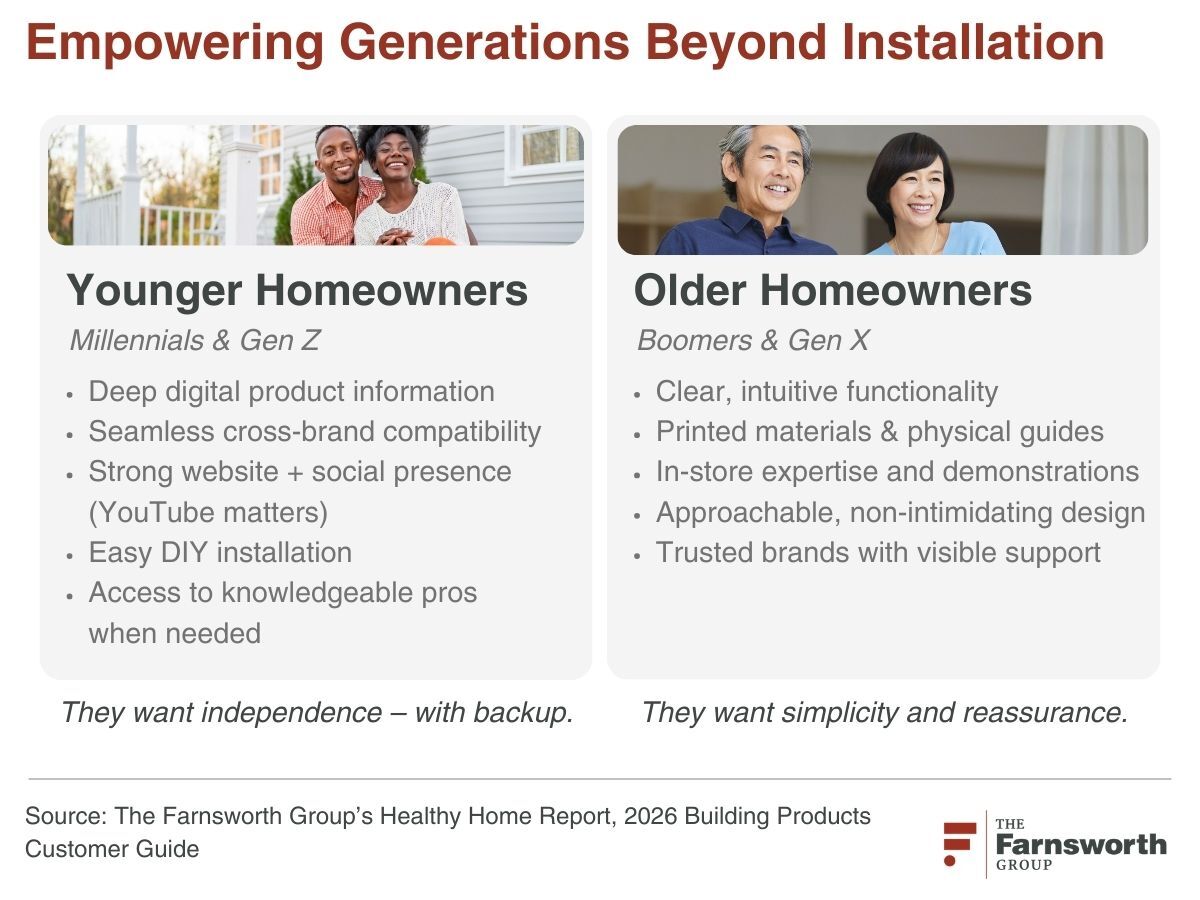
In 2025, about 61% of millennials and 56% of Gen X homeowners reported doing "a lot" or "a good amount" of research before purchasing home improvement products. Their main goals? For 70%, it's comparing prices. More than half are also checking availability and reading reviews. Ensuring product information is accessible and up to date on home improvement store websites and search engines can cater to these research-heavy habits of millennial and Gen X DIYers. Additionally, providing comprehensive product details, user-generated reviews, and stock availability on both digital and in-person channels will meet the needs of older segments and boost trust and convenience.
Gen Z—the up-and-coming generation of renters and homeowners—dedicates the most time to in-depth online research, with 32% saying they do "a lot" of research before purchasing products. They prioritize social media like YouTube (as do all age demographics), and to a lesser extent TikTok, for design inspiration. Additionally, about 40% of homeowners in this demographic prefer to be communicated with about products through social media.

Conducting Market Research into Home Automation Trends
With the continued proliferation of artificial intelligence (AI) and other technological innovations, the smart home automation market is hardly static. It is shaped not only by these factors, but also evolving customer opinions, behaviors and preferences around energy efficiency, healthy home living, residential security, and more. It’s important for manufacturers and suppliers to dig deeper into these trends and gain tailored insight into the demographics within their specific market. Our team at The Farnsworth Group can help you accomplish just that. Our market researchers are here to help craft research that addresses your specific needs and will give you actionable recommendations to make informed strategic decisions.


By Eric Voyer
Director and Senior Consultant
Eric brings nearly 30 years of experience in market research, business development, and strategic consulting within the home improvement, building products, and outdoor industries. He spent decades in syndicated research for consumer durables, where he helped leading brands turn complex data into actionable insights that drive growth. Eric's expertise spans both quantitative and qualitative methodologies. At The Farnsworth Group, Eric focuses on client engagement, project design, and strategic storytelling to ensure insights lead to clear, confident decisions.
Originally from Orlando and now based in Louisville, KY, Eric studied Business at Transylvania University, where he also competed as a collegiate goalkeeper. Outside of work, Eric still enjoys playing soccer, loves to Ski and Scuba and has a new passion for playing ice hockey.