Data center cooling is evolving to support higher computing densities driven by AI and cloud growth. Energy efficiency, sustainability, and performance reliability are critical factors in modern infrastructure design and operational strategy. Here are key impacts of this for HVAC building product manufacturers.
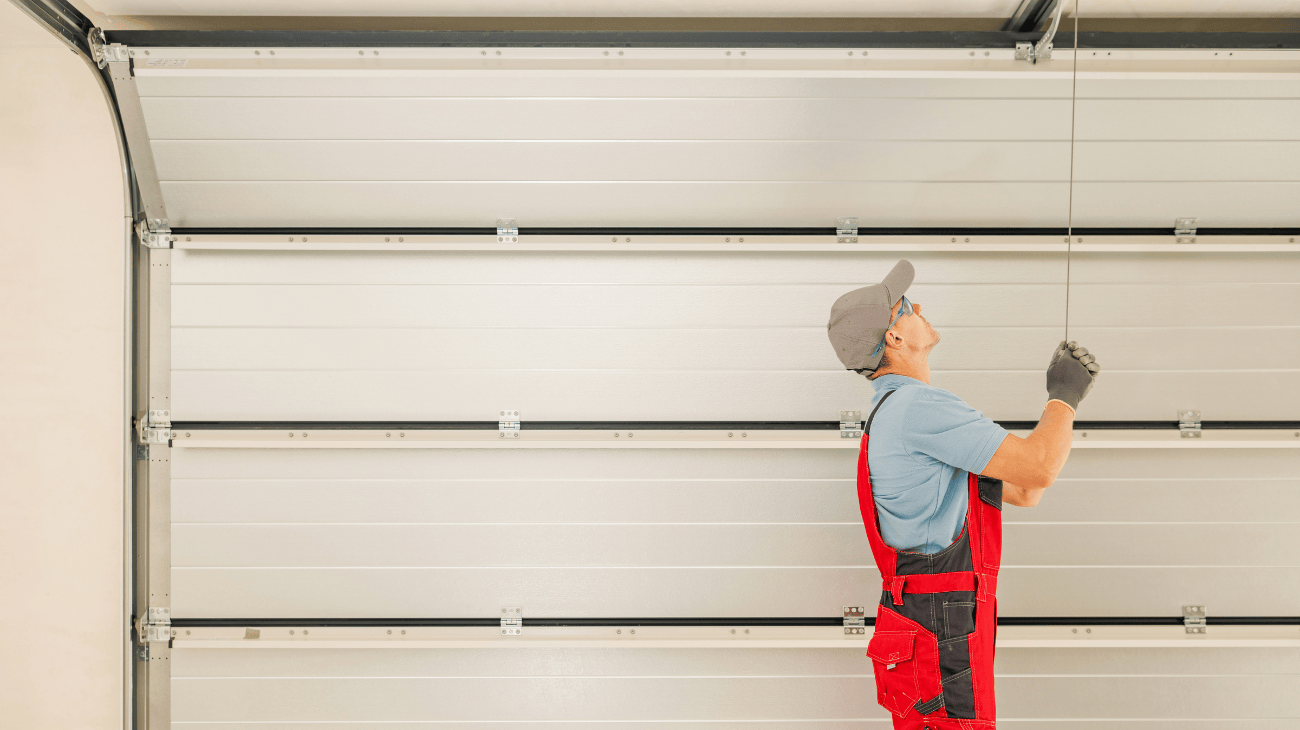
Through investments in residential infrastructure and demand for maintenance and repairs to extend the lifecycle of homes in the U.S., the market for garage doors is expected to have steady growth in 2026. However, there are several other variables that could impact the garage door market, from housing trends and shifting customer preferences to new technologies.
Explore the key trends shaping the building products industry in 2026, including mobility declines, labor market shifts, tariffs, M&A activity, and emerging opportunities like data center construction.
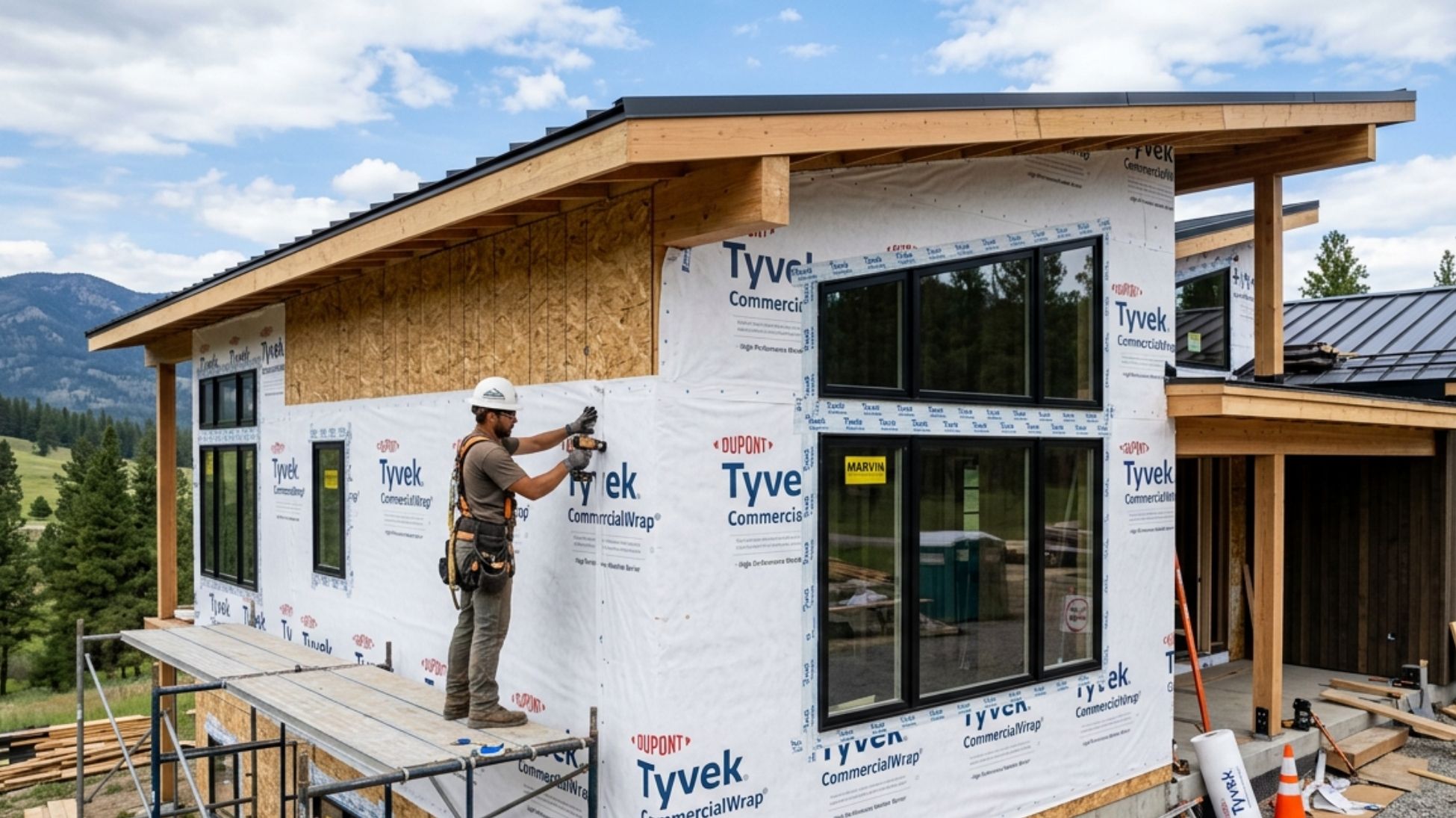
The definition of “premium” housing is shifting from aesthetics to performance. Learn how high-performance homes – driven by energy efficiency, durability, insurance pressures, and evolving building codes – are reshaping builder priorities and influencing building product innovation.
While drywall is used heavily in both new construction and home improvements, the market is not immune to changing dynamics and trends, from challenges and opportunities within the housing industry to the behaviors and preferences of both DIYers and building professionals shopping for and using drywall for their projects.
This year, conversations at IBS/KBIS 2026 were grounded in realism. Across discussions with manufacturers, retailers, builders, and other attendees there was consensus: 2026 is expected to be flat to very low growth for the building products industry. Here are 11 key market and category signals that should be shaping your strategies for the year ahead.
Download informative reports to keep a pulse on how your target DIYer, Contractor, Builder, and Architectural customers' purchase behaviors are changing.